
AI
Voice AI is quietly fixing inbound lead handling
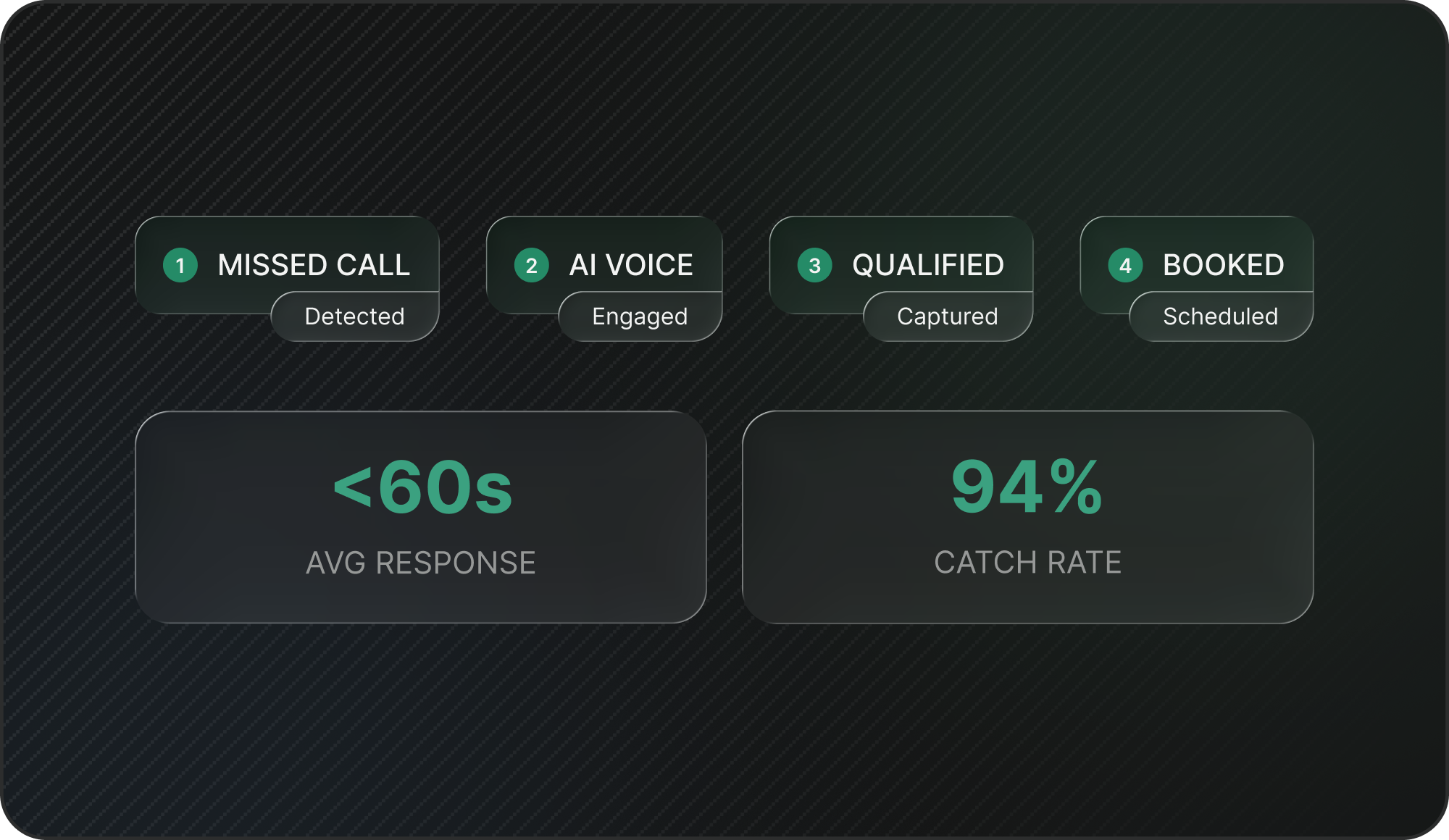
Phone calls were the leakiest part of the funnel for most local businesses. That is changing fast, and the numbers are hard to argue with.
Priya Shah5 min read
The brands adding units fastest stopped treating AI as a chatbot and started running it as field infrastructure. Here is what that shift actually looks like.
For two years, AI in franchising mostly meant a chat widget bolted onto a marketing site. That era is closing. The operators winning right now treat AI agents the way they treat point of sale or scheduling. It is infrastructure, deployed location by location, governed from the center, and reviewed on the same cadence as labor and inventory.
The networks that scale fastest pick a single painful, repeatable job and standardize it before touching anything else. Usually that job is lead response. A prospect fills out a form at 9pm and the difference between a reply in 45 seconds and a reply the next morning is the difference between a booked appointment and a dead lead.
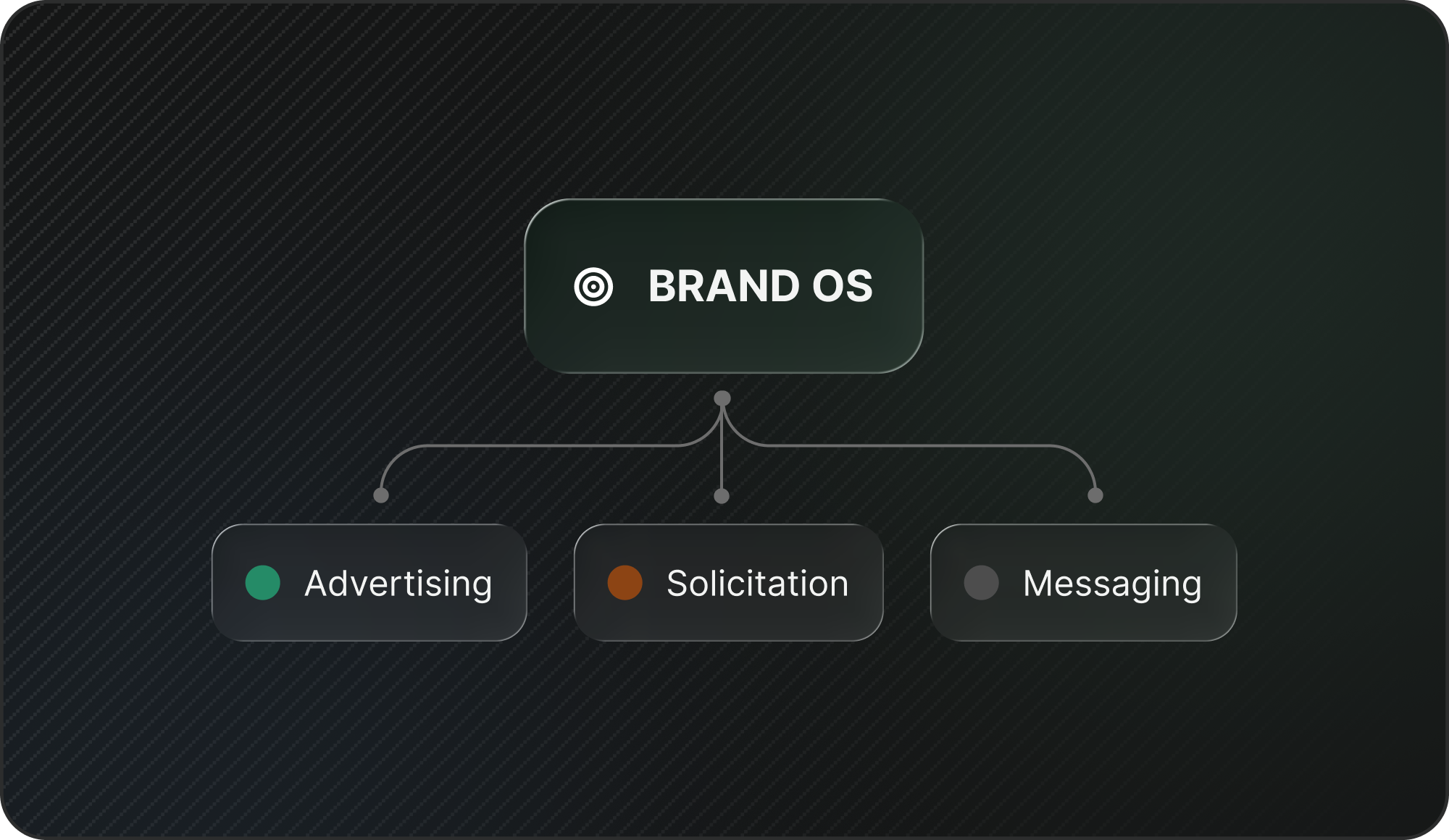
Brand standards are the hard constraint. The pattern that holds up keeps prompts, guardrails, and escalation rules at the franchisor level, while each location inherits and personalizes within those lines. Franchisees get speed without going off brand, and the franchisor keeps one source of truth.
Response time, resolution rate, and escalation quality matter more than vanity engagement. The best operators put agent performance in the weekly operations review next to every other number that runs the business.
Phone calls were the leakiest part of the funnel for most local businesses. That is changing fast, and the numbers are hard to argue with.

The hype says every owner is already automating. The ground truth is messier, and more encouraging, than the headlines suggest.