
Operators
The multi-location operator playbook for automation that sticks
Most automation projects die in the gap between headquarters and the field. Operators who close that gap share a few habits.
Maya Chen6 min read
After a decade of turnover, I stopped hiring for the resume and started hiring for the second year. Here is what changed.
I have opened twelve locations and I have lost count of how many managers I have hired. For years I hired the way most operators do, for the strongest first impression and the best resume. The ones who looked best on paper were often gone inside a year. The work of replacing them quietly ate every gain we made.
The managers who stay are rarely the flashiest in the interview. They ask about the boring parts. How does scheduling work, what happens when a shift falls apart, who do they call at 7pm. I started weighting those questions instead of being annoyed by them.
A manager who owns a single outcome and has the authority to move it stays engaged. A manager who is asked to babysit a checklist someone else built leaves. The systems we run now exist to give that person room, not to replace their judgment.
Rosa operates twelve Northbeam Home Services locations across the Southeast. Her column covers the unglamorous operational work that actually moves unit economics, written from inside the business rather than above it.
Most automation projects die in the gap between headquarters and the field. Operators who close that gap share a few habits.
I used to buy software the way some people buy gym memberships. Then I counted what we actually opened on a Tuesday.
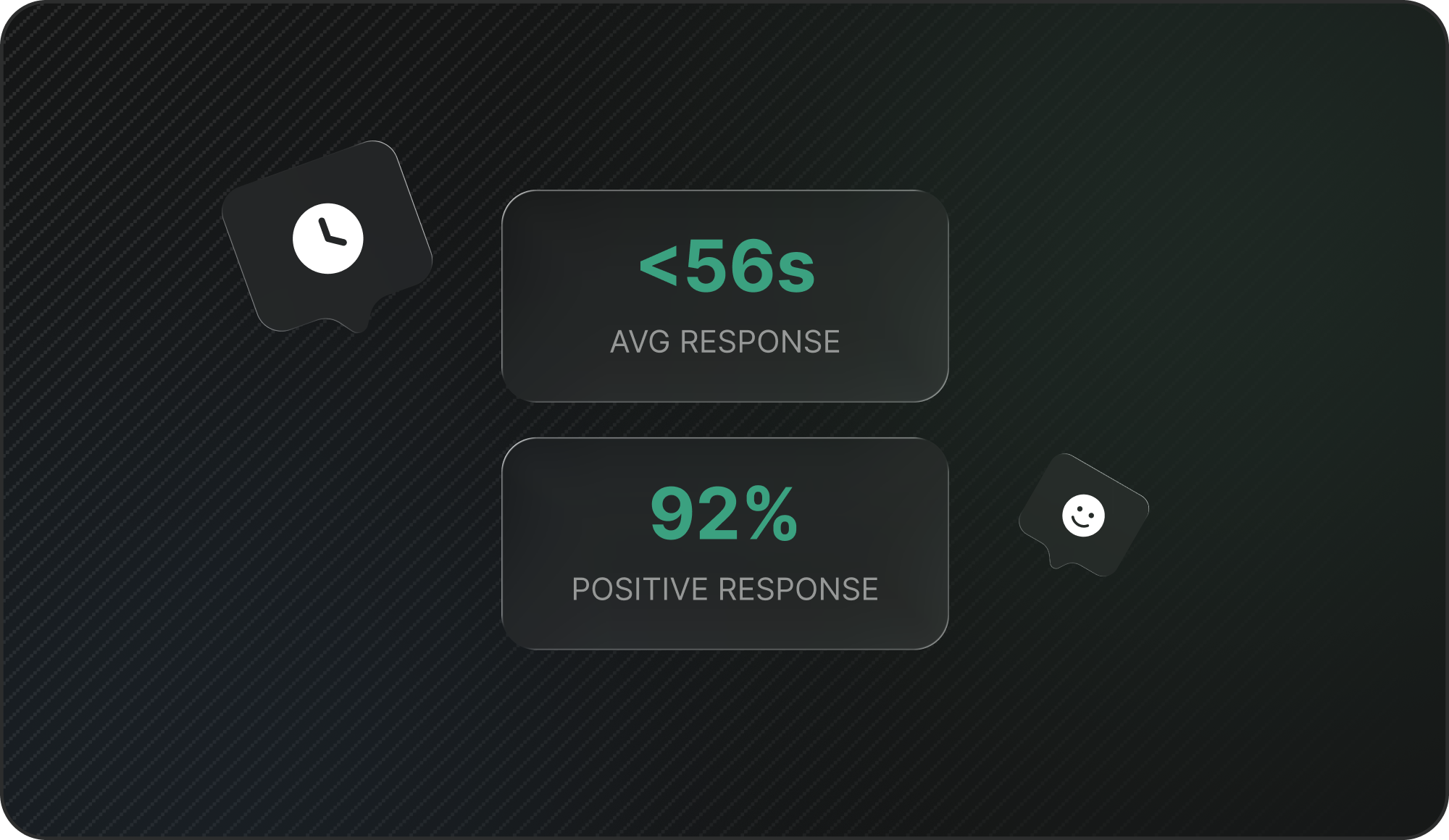
A single fast location is a nice story. A network where every location is fast is a moat.