
Operators
What twelve units taught me about hiring managers who stay
After a decade of turnover, I stopped hiring for the resume and started hiring for the second year. Here is what changed.
Rosa Medina5 min read
I used to buy software the way some people buy gym memberships. Then I counted what we actually opened on a Tuesday.
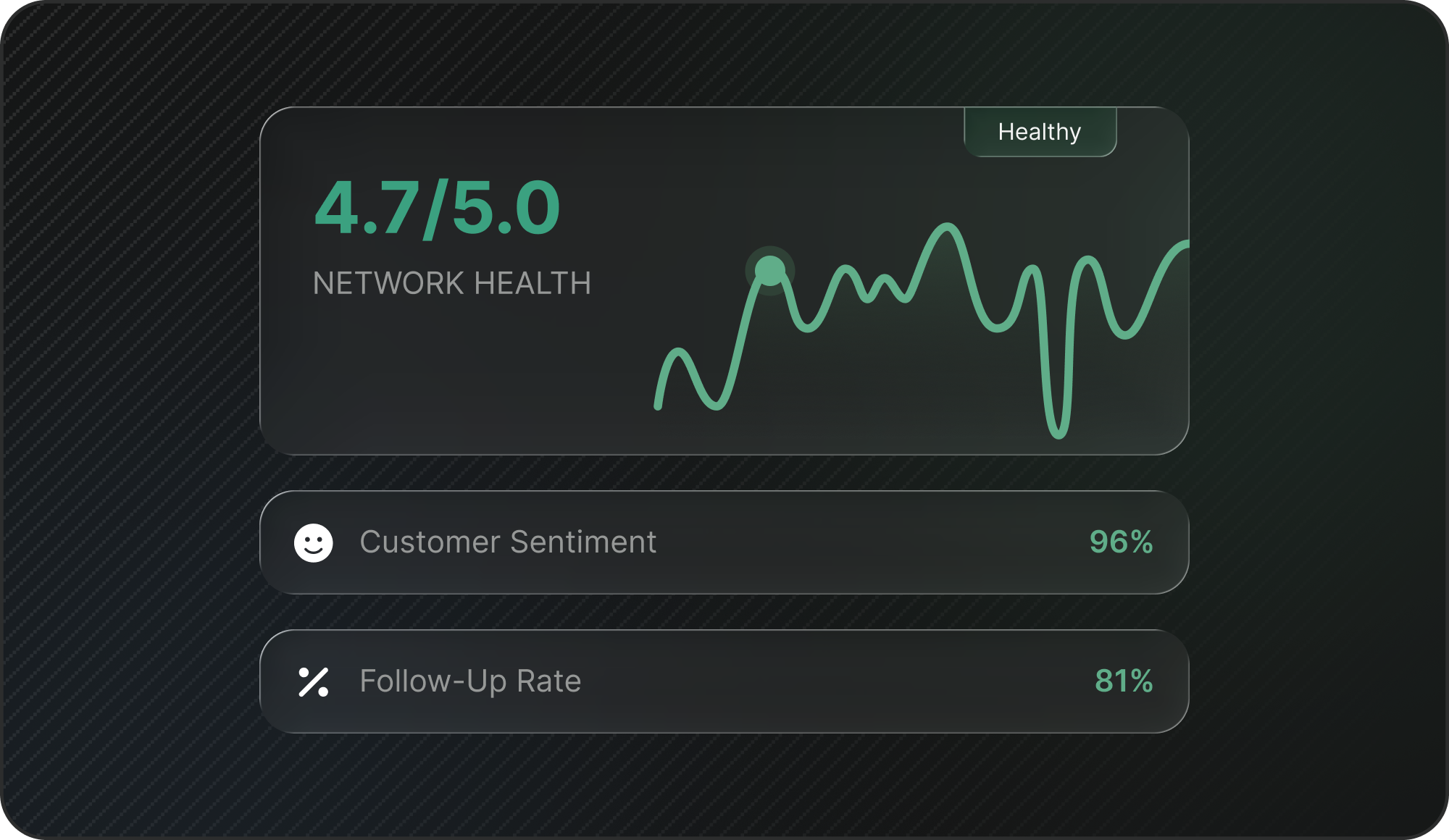
There was a stretch where I said yes to every demo. Each tool promised to fix a real problem, and each one was true enough to get my card. A year in, I sat down and counted what my managers actually opened on an average Tuesday. The list was short and most of what I was paying for was not on it.
Unused software is not neutral. It fragments where the team looks, it adds another login, and it quietly trains people to ignore tools in general. I cancelled most of it and the locations got calmer, not worse.
Now the bar for anything new is simple. Will a manager open it on a normal Tuesday without me reminding them. If the honest answer is no, it does not matter how good the demo was.
Rosa operates twelve Northbeam Home Services locations across the Southeast. Her column covers the unglamorous operational work that actually moves unit economics, written from inside the business rather than above it.
After a decade of turnover, I stopped hiring for the resume and started hiring for the second year. Here is what changed.
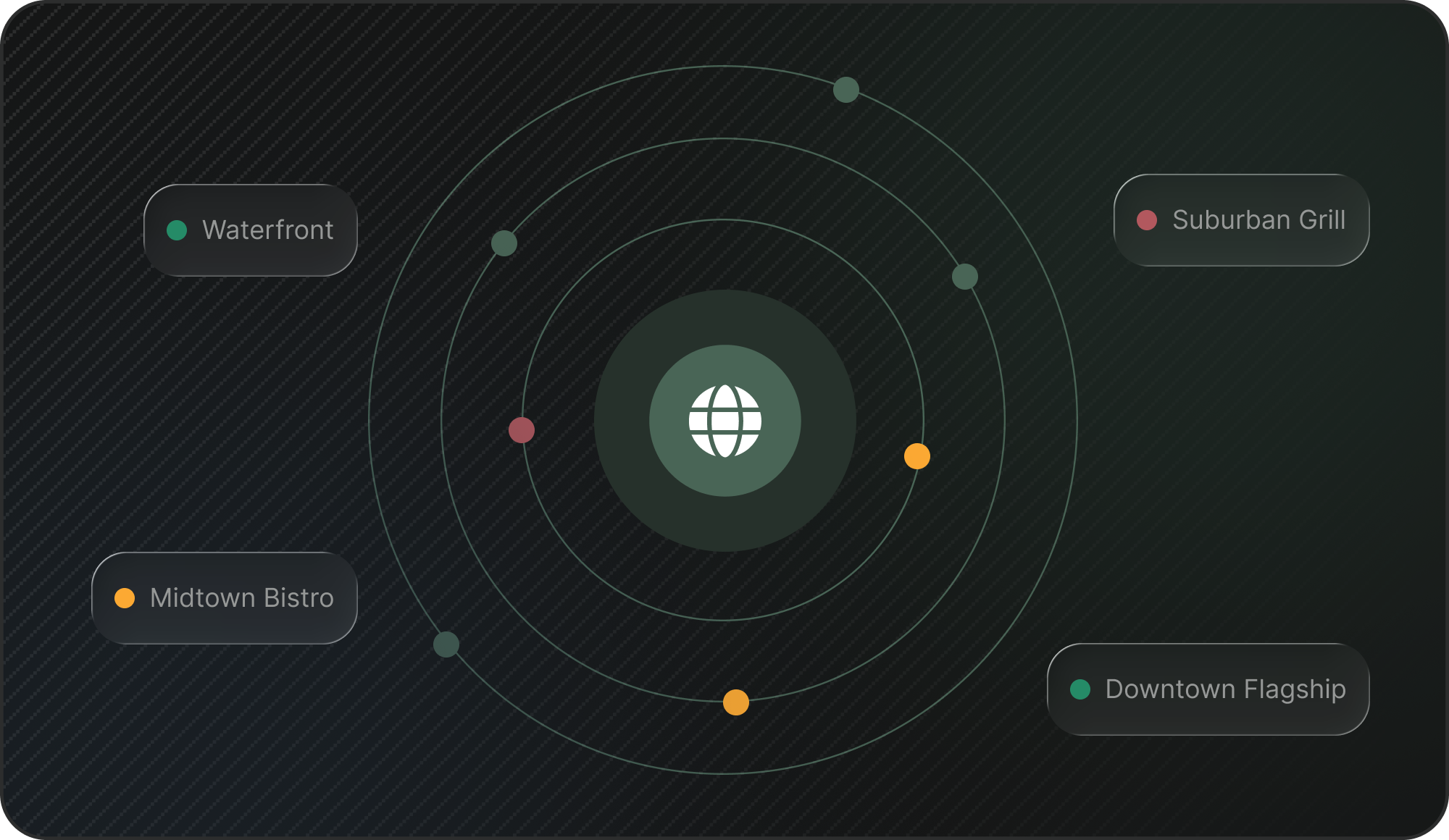
Most automation projects die in the gap between headquarters and the field. Operators who close that gap share a few habits.
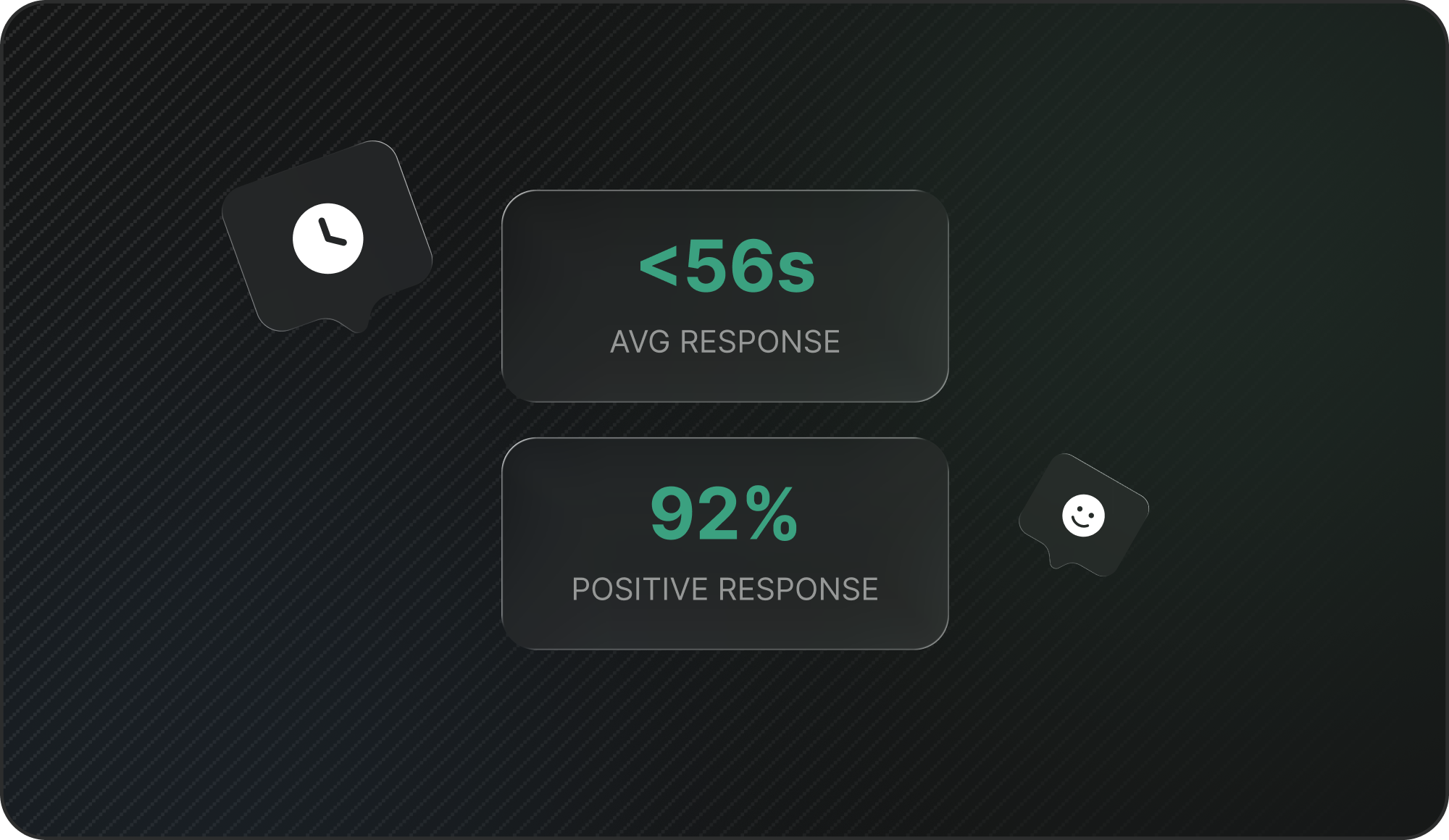
A single fast location is a nice story. A network where every location is fast is a moat.